Rowin Mol · November 19, 2026 · (5 days ago)
In short
Getting married abroad is possible. There is just more paperwork involved than when you marry in your own municipality (gemeente).
Short answer: the country you marry in decides whether you may marry there and which documents it wants to see. You cannot marry at a Dutch embassy. A marriage entered into abroad is usually recognised in the Netherlands, but not always, so check this before you book a venue. If you live in the Netherlands, you have the marriage registered with your municipality afterwards. If you only want the ceremony far away, get married legally in the Netherlands first: as we read the rules, a symbolic ceremony is not a legal marriage.
Below you will find the steps in order first, then what to arrange for each step. Is the ceremony all you care about? Then skip to what if you only want the ceremony abroad.
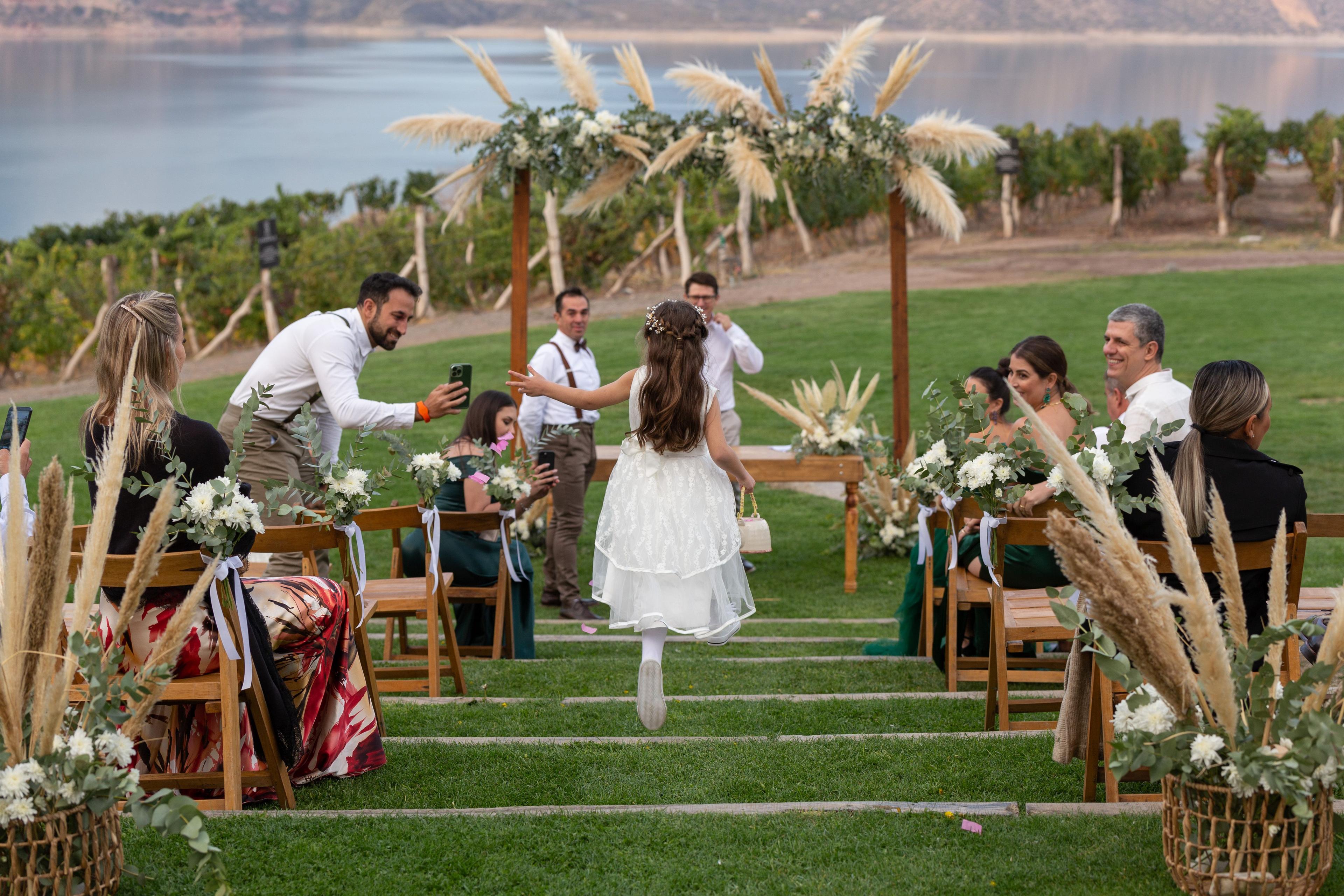
Yes. According to NederlandWereldwijd, the website of the Dutch Ministry of Foreign Affairs, a marriage entered into abroad is usually recognised in the Netherlands, but not always.
Four things decide whether it works:
The country you marry in decides which documents it wants to see, so always ask the foreign authority where you are getting married. A list for another country will not help you much. The Dutch government (Rijksoverheid) and NederlandWereldwijd mention these documents:
For each document, ask how old it may be and whether a translation or legalisation is needed. That differs per country; we found no general rule from the government. Start in good time: you are dealing with an authority in the Netherlands and one in the country you marry in, and each works at its own pace.
Legalisation is needed when a document from one country is not simply accepted in another country. An apostille is a stamp or sticker on a public document, such as a birth certificate, that confirms the signature is genuine and that the document comes from an official authority.
For you it comes up at two moments:
NederlandWereldwijd has a page per country about legalising foreign documents. There you can see what is needed for the country you marry in. A foreign document with an e-apostille can simply be used in the Netherlands.
You have the marriage registered and report it to the organisations involved. Where you register it depends on where you live:
Reporting it is easily forgotten. A marriage can affect your tax, allowances and benefits. The municipality passes a lot on to other organisations, but not everything, so report it yourself too to the organisations you deal with.
Then you get married legally in the Netherlands and celebrate somewhere else.
Two things are certain. According to the Dutch government, a religious ceremony in the Netherlands may only take place after the civil marriage with the registrar of the civil registry. And anyone who marries abroad does so under the law of that country, at the authority there. Our conclusion from that: a symbolic ceremony abroad, where that authority does not perform the marriage, is not a legal marriage, and there is no foreign certificate to register either. That is our own reading; the government does not put it this way anywhere. If you want to be sure, check with your municipality.
That leaves a choice:
If you choose the first route, also allow for the Dutch paperwork. At our own wedding we had to register the special registrar (BABS) with the municipality at the last minute for our wedding venue; we had not thought of that beforehand. What that involves, you can read in arranging your own registrar.
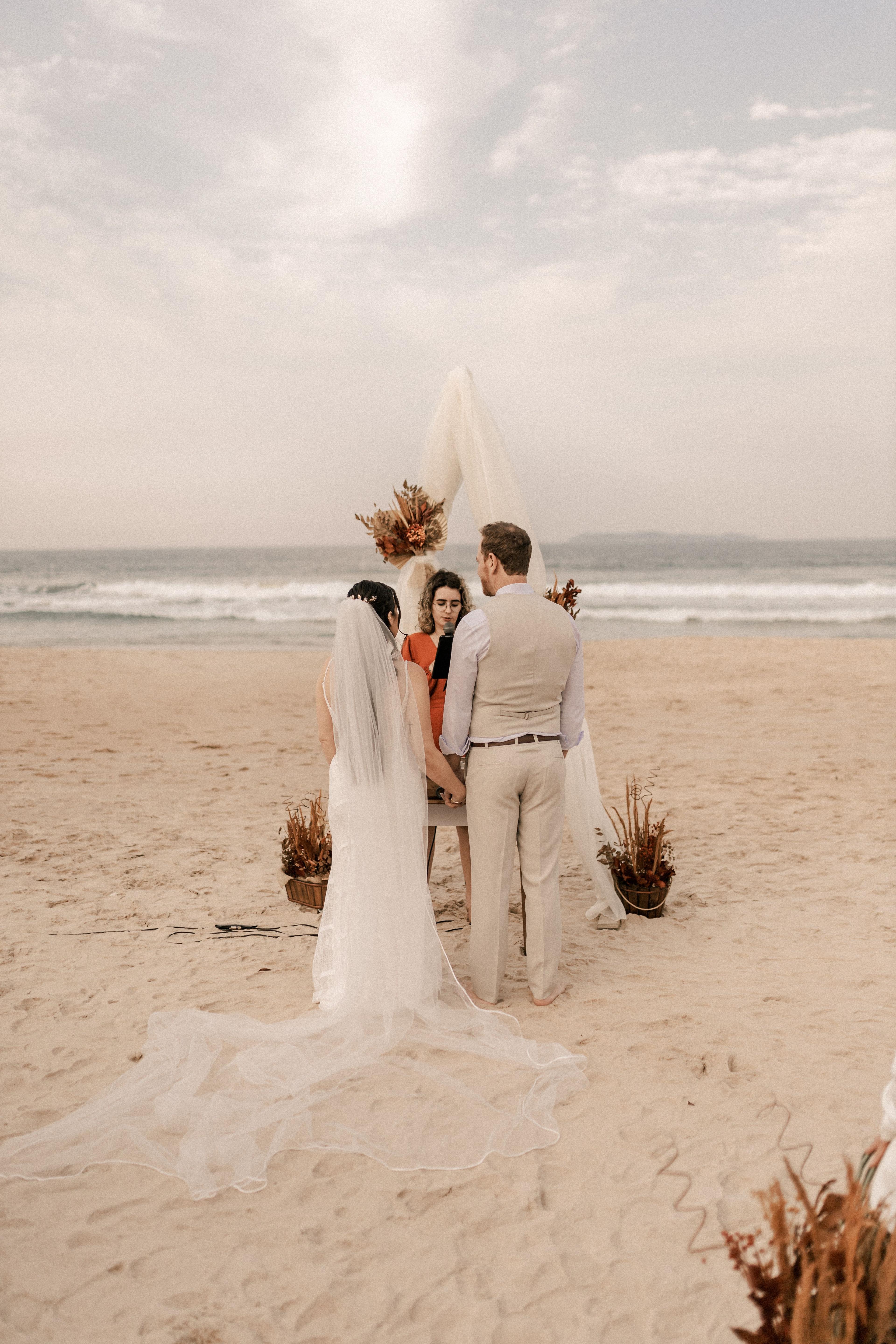
The costs fall into five items: documents, the venue and registrar on location, your travel, a buffer and what you pay for the guests. We do not give a total, because the country and the number of guests make the difference so large that an average says little. Item by item:
Put these items in your budget before you book a venue. In the BruiloftBuddy budget every item gets its own line, so the travel and the documents sit next to the rest of your costs.
Let guests know early and put in the invitation who pays for what. Expect fewer people than at a wedding close to home.

Rowin Mol
Rowin Mol is the founder of BruiloftBuddy. He got married in 2024 and, while planning his own wedding, found that on top of the tools he was using he still needed a separate spreadsheet for the guest list, attendance and the wedding day timeline.
Out of that frustration he built BruiloftBuddy: the platform he wished he'd had himself.
Try it yourself
Build your own wedding website
The editor on the homepage is the real editor, not a video. You see what you're making straight away.
Open the editorRowin Mol
Rowin Mol is the founder of BruiloftBuddy. He got married in 2024 and, while planning his own wedding, found that on top of the tools he was using he still needed a separate spreadsheet for the guest list, attendance and the wedding day timeline.
Out of that frustration he built BruiloftBuddy: the platform he wished he'd had himself.
Try it yourself
Build your own wedding website
The editor on the homepage is the real editor, not a video. You see what you're making straight away.
Open the editorYes, if you meet the rules of the country where you marry and the basic Dutch requirements: both 18 or over and not already married or in a registered partnership. A marriage abroad is usually recognised in the Netherlands, but not always. Check this beforehand with NederlandWereldwijd (the Dutch government's service for Dutch nationals abroad) and with the authority in the country where you are marrying.
No. The embassy can issue a statement of intention to marry, but only if the country where you are marrying asks for one.
For Dutch nationals this is often a birth certificate, a certificate of no impediment to marriage (verklaring van huwelijksbevoegdheid) and a certificate of civil status (verklaring omtrent de burgerlijke staat), but it differs per country and situation. Ask the authority in the country where you are marrying exactly what they need, and whether the documents have to be translated or legalised.
If you live in the Netherlands, yes: you have the marriage registered in the Personal Records Database (BRP) through your municipality. If you live abroad, that is not possible in the BRP, but the Dutch government recommends registering the foreign marriage certificate in the Dutch register held by the municipality of The Hague.
There is no rule for this. You decide together which costs you cover and which ones the guests pay for themselves. Put it in the invitation, so guests know before they book a flight.
Start as soon as you know the country. There is no fixed number of weeks: the lead time depends on the country and on how quickly the municipality, the embassy and the foreign authority issue documents. Ask the foreign authority how recent the documents need to be.


